Official SDSC site

Members
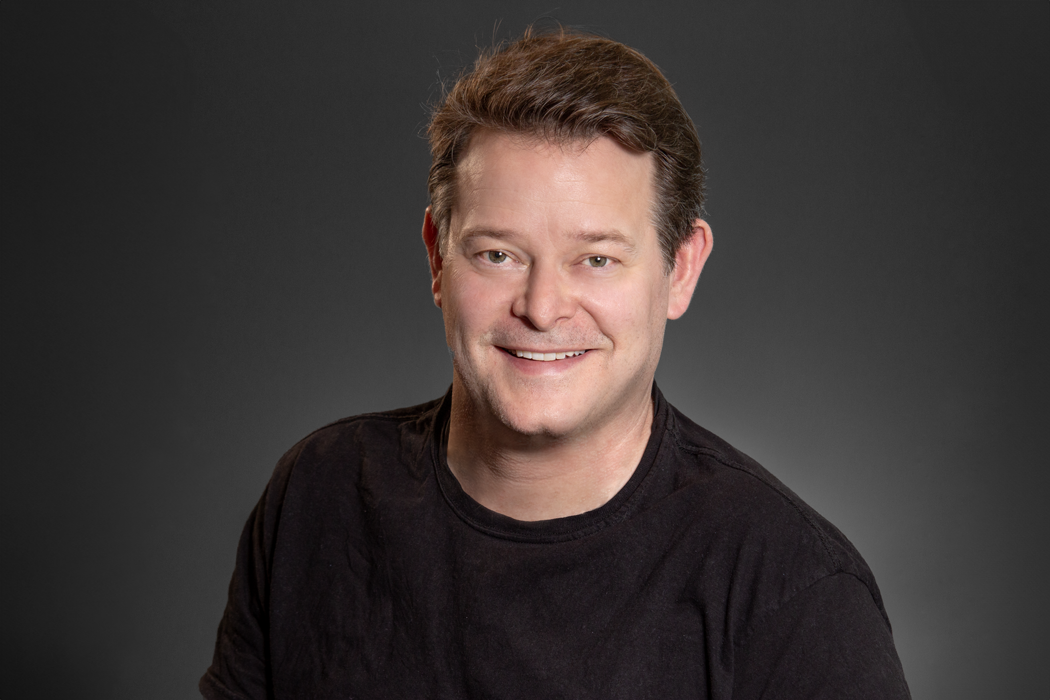
Mason Mathews portrait
SDSC Faculty

Mason Mathews

Visiting Professor

Department

Department of Geography

Biography

Mason Mathews is a visiting professor in the Geography Department at Florida State University. He graduated from the University of Florida’s Interdisciplinary Ecology doctoral program (Human Geography) and worked extensively with UF’s Center for Latin American Studies. Mason is interested in social networks and social capital theories and methods and how they can be combined with geographic information systems to understand how communities and individuals respond to social, economic, and environmental shocks. Mason is also interested in how qualitative ‘thick’ data can be combined with quantitative ‘big data’ to enhance our understanding of human behavior. Mason spent seven years living, working, and conducting research in Latin America. This includes experiences in Guatemala, Costa Rica, and Brazil.

Selected Publications

12
  • International Journal of Disaster Risk Reduction

    Resource exchange patterns between Voluntary Organizations Active in Disaster (VOADs): A multilevel network assessment to improve disaster response capacity.

    Mathews, M.C., Vickery, J., Peek, L.

    DOI
  • Politics & Policy52 (1): 196–226

    The Effect of Place on Voting Behavior: The Case of the Arizona Proposition to Legalize Recreational Marijuana.

    Mathews, M.C., Fotheringham, A.S.

    DOI
  • Regional Environmental Change

    Operationalizing and empirically identifying populations trapped in place by climate and environmental stressors in Mexico.

    DeWaard, J., Hunter, L.M., Mathews, M.C., et al.

    DOI
  • Natural Hazards Review

    Cultural Competence for Hazards and Disaster Researchers: Framework and Training Module.

    Wu, H., Peek, L., Mathews, M.C., Mattson, N.

    DOI
  • World Development

    How village leaders in rural Amazonia create bonding, bridging, and linking social capital configurations to achieve development goals, and why they are so difficult to maintain over time.

    Mathews, M.C.

    DOI
  • Rivers, lands and cultures: Learning from the Tocantins social-ecological systempp. 196–214

    Assessing inter- and trans-disciplinary collaboration among Amazon Dams International Research Network (ADN) participants: preliminary results from the Palmas Workshop.

    Swanson, A.C., Bohlman, S., Mathews, M., Athayde, S.

  • International Journal of Environmental Health Research

    The spatial association of social vulnerability with COVID-19 prevalence in the contiguous United States.

    Wang, C., Li, Z., Mathews, M.C., et al.

    DOI
  • Journal of Applied Gerontology

    Mortality from Forces of Nature Among Older Adults by Race/Ethnicity and Gender.

    Adams, R.M., Evans, C., Mathews, M.C., Wolkin, A., Peek, L.

    DOI
  • Frontiers in Built Environment6-110

    A Framework for Convergence Research in the Hazards and Disaster Field: The Natural Hazards Engineering Research Infrastructure CONVERGE Facility.

    Peek, L., Tobin, J., Adams, R., Wu, H., Mathews, M.C.

    DOI
  • Natural Hazards Review21(2)

    Global List and Interactive Web Map of University-Based Hazards and Disaster Research Centers.

    Hines, E., Mathews, M., Peek, L.

    DOI
  • Current Opinion in Environmental Sustainability37:50–69

    Mapping Research on Hydropower and Sustainability in the Brazilian Amazon: Advances, Gaps in Knowledge and Future Directions.

    Athayde, S., Mathews, M., et al.

    DOI
  • Geoforum65: 266–277

    “Differentiated Citizenship” and the Persistence of Informal Rural Credit Systems in Amazonia.

    Mathews, M.C., Schmink, M.